How specialized courses and forward-thinking institutions are closing the talent gap in modern aviation.
The global aviation landscape is undergoing a massive, unprecedented transformation driven by soaring passenger traffic, extensive commercial fleet expansions, and rapid technological breakthroughs. As nations modernize their civil and defense air infrastructures, aviation has cemented its position as a primary engine of economic growth. Yet, this aggressive expansion has triggered a stark worldwide shortage of skilled technical talent. Today’s industry demands a sharp generation of minds equipped to design, build, test, and maintain next-generation flying vehicles.
The Rising Tide of Aviation and Aerospace
Aviation is no longer viewed merely as a luxury mode of transport; it is a critical pillar of global connectivity, trade, and defense readiness. With commercial airlines placing record-breaking aircraft orders to meet climbing travel demands, the need for specialized technical personnel has surged exponentially. Simultaneously, the proliferation of specialized technology ranging from Unmanned Aerial Vehicles (UAVs) and drones to sustainable aviation initiatives and space exploration has vastly widened the spectrum of technical careers.
This booming ecosystem calls for diverse expertise. Modern flight engineering spans the conceptualization of atmospheric aircraft and space vehicles to rigorous safety checks and routine airworthiness inspections. Naturally, academic pathways combining strong theoretical grounding with hands-on practice have become immensely valuable for aspiring technocrats looking to make a mark in this fast-paced domain.
Bridging the Gap: The Role of Elite Institutions
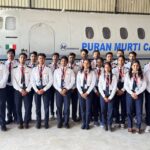
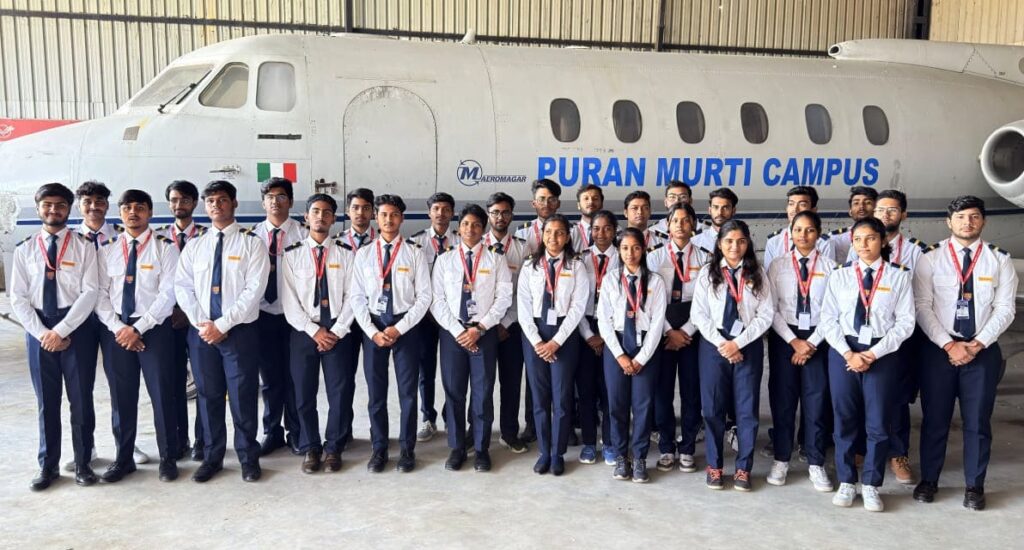
To successfully supply this expanding talent pipeline, top-tier institutions are rolling out robust, industry-aligned engineering programs. A prominent example meeting this national demand is Puran Murti Vidyapeeth, situated in Sonipat, Haryana. Recognized as a leading destination for specialized technical training, the campus offers focused undergraduate programs including B.Tech courses in Aerospace Engineering, Aeronautical Engineering, and Aircraft Maintenance Engineering (AME).

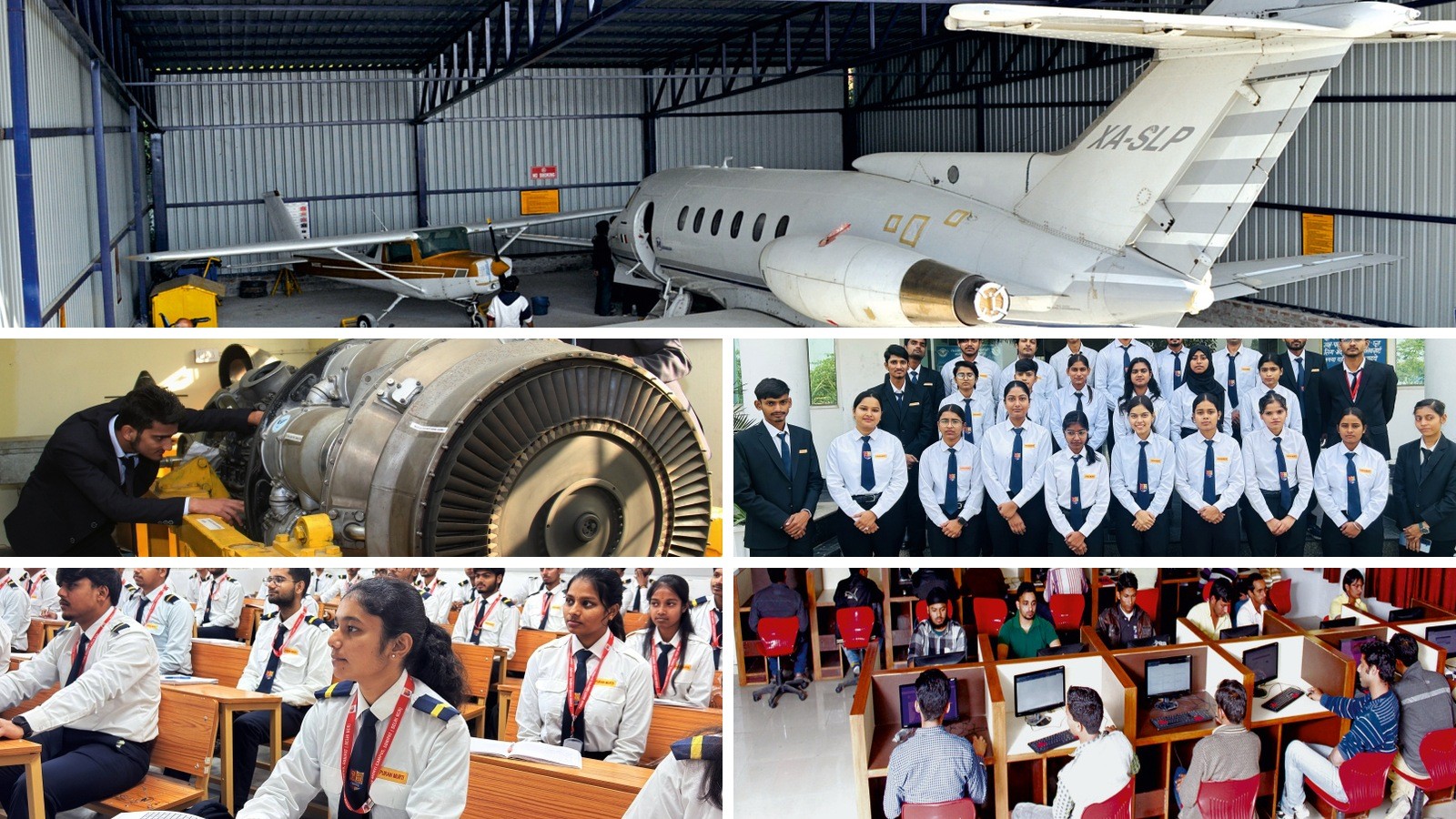
Affiliated with the esteemed government university, Deenbandhu Chhotu Ram University of Science and Technology, Murthal, these programs blend academic rigor with intensive technical practice. By bridging fundamental science with specialized modules, the curriculum empowers students to tackle real-world engineering hurdles right from day one. Furthermore, the campus infrastructure features extensive laboratory setups and practical training resources including live aircraft and helicopters on-site giving learners direct exposure to complex machinery and operational environments.
Focused Programs and Future Horizons
Each of these three distinct technical pathways addresses a vital niche within the aviation sector:
- Aerospace Engineering: Focuses on the comprehensive design, testing, and operation of vehicles traversing both atmospheric and outer space boundaries, unlocking opportunities in space research and advanced defense sectors.
- Aeronautical Engineering: Centers heavily on flight dynamics, propulsion systems, and the structural manufacturing of aircraft operating within Earth’s atmosphere.
- Aircraft Maintenance Engineering (AME): Prioritizes airworthiness, technical troubleshooting, safety audits, and mechanical upkeep to keep commercial and private fleets operationally flawless.
The career prospects for graduates in these fields are vast and dynamic. Beyond commercial airlines, pathways extend into Maintenance, Repair, and Overhaul (MRO) facilities, defense research labs, autonomous drone development firms, and global aerospace manufacturing giants.
Empowering the Next Wave
Ultimately, overcoming the critical skill gap in modern aviation demands a harmonious blend of strong institutional backing, university affiliation, and advanced infrastructure. By exposing students directly to complex machinery and high-tech environments, institutions like Puran Murti Vidyapeeth are playing a pivotal role in readying competent professionals for tomorrow’s skies.
Bijoy Ghimire
The writer is a Senior Overseas Education Consultant.